

09/07/26 - 10/12/26 (6 MONDAYS from 9Am to 11:30Am Pacific Time)
The Foundations of Buddhist Chaplaincy: Primary Concepts and Practices in Spiritual Care
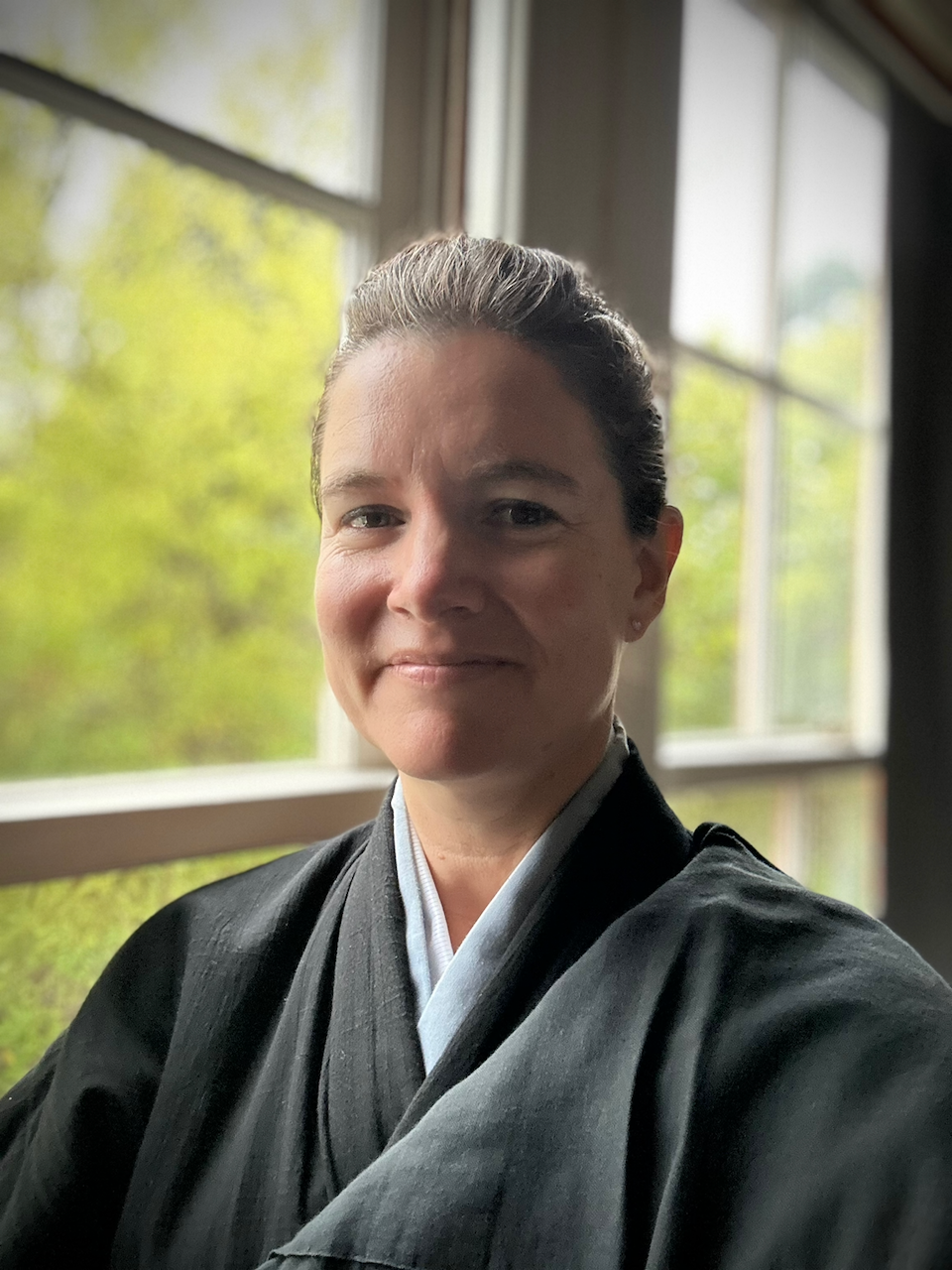
Taught by KOJI VANESSA ABLE
COURSE OVERVIEW
This 6-week course will introduce students to the primary concepts and practices of Buddhist Chaplaincy. As a program of study, it provides an entry into the world of Buddhist Chaplaincy through a familiarization with its key tenets, and an understanding of service, dharma practice and one’s spiritual life.
Each class will consist of presentation, class discussion and breakout groups during which time participants will have a chance to practice chaplaincy tools and methods with one another. Experience of some kind of service work (e.g. in hospitals, hospice, prisons, community service, shelters, personally caring for others) is recommended though not required.
Key TextS
Kalyāṇamitra: A Model for Buddhist Spiritual Care, (Volumes 1 & 2) by Monica Sanford
Course Outline
Week 1: What is Chaplaincy? What is Buddhist Chaplaincy? An introduction to the field of chaplaincy, including a historical perspective, an overview of the main subject areas and learning methodologies, and a review of the paths to volunteer and professional chaplaincy.
Week 2: The Dharma of Chaplaincy An exploration of the theoretical and scriptural frameworks that ground Buddhist spiritual care. Students will examine how core teachings—such as the Four Noble Truths, impermanence, and non-self—serve as the literal foundation for a chaplain's presence. We will also discuss how Buddhist chaplains navigate and hold space within complex pluralistic and interfaith environments.
Week 3: Connecting with and through Chaplaincy Skills A practical dive into the core clinical and interpersonal skills required for spiritual care. This session focuses on the art of spiritually supportive listening, discerning when and how to use verbal responses or questions, and understanding the delicate clinical boundaries of self-disclosure. Through interactive exercises, students will practice cultivating an engaged and empathetic presence.
Week 4: Embodying Buddhist Chaplaincy An investigation into the active, embodied role of the chaplain as a spiritual resource. We will discuss the skillful means (upāya) of offering guided meditation and Buddhist rituals in diverse settings, while examining the nuances of caring for non-Buddhist care seekers. Students will learn how to offer spiritual care without imposing theological frameworks.
Week 5: The Ethics of Buddhist Chaplaincy An examination of the ethical responsibilities and psychological dynamics inherent in spiritual care. This class will address the power differentials between chaplain, care-seeker and institution, the subtle traps of projection and countertransference, and the necessity of maintaining professional confidentiality. We will discuss how the precepts guide our conduct in institutional settings.
Week 6: Buddhist Chaplaincy and Spiritual Formation An exploration of the vital relationship between a chaplain's personal practice and their capacity for sustainable service. Students will reflect on their own spiritual histories and cultural backgrounds to understand how their unique lives shape their pastoral presence. We will focus on cultivating resilience and practicing self-care through the mirror of the Dharma.
Learning Outcomes
Understanding the field of Buddhist Chaplaincy: Defining the basic history, role, and professional training paths of a Buddhist chaplain.
Connecting Dharma to care: Explaining how core Buddhist teachings provide a foundation for offering spiritual support.
Practicing listening skills: Demonstrating basic chaplaincy communication tools, like active listening and mindful response, in peer-to-peer exercises.
Navigating interfaith settings: Adapting Buddhist practices, such as meditation or presence, to care for people of any faith or no faith.
Identifying ethical boundaries: Recognizing key ethical issues in spiritual care, including power dynamics and confidentiality.
Reflecting on personal history: Examining how our own spiritual background and personal practice shape how we show up for others.
Graduate credits
SZI MDiv students can claim 2 credits for this class by full attendance and upon completion of a 20-page assignment at the end of the course on a topic to be set by the teacher. The two credits can be claimed in any of the following categories: Ethics, Counselling, Buddhist Psychology, Pastoral Care.
Tuition:
This course is by donation. Nobody will be turned away due to inability to pay. Self-directed sliding scale recommended donation from $300 to $600. Suggested payment for credit students is $600. Any additional amount gifted supports Shogaku in offering these classes to all, regardless of their ability to pay. Please consider becoming a sponsor by offering $1,200.
How to enroll:
Email registrar@shogakuzen.org
About THE INSTRUCTOR:
Koji Vanessa Able is a Zen priest trained in the Deshimaru and Suzuki Roshi lineages. She received Tokudo in France in 2011 and served as Shuso at the San Francisco Zen Center in 2025 under her teacher Ryushin Paul Haller. Vanessa began her Buddhist Chaplaincy training at the Sati Center for Buddhist Studies where she now leads a yearlong Buddhist Chaplaincy training program. She completed her professional chaplaincy training at Stanford Healthcare in 2022. Vanessa is a member of the European Buddhist Union Chaplaincy Network as well as the Prison Chaplaincy sector of the French Buddhist Union. She lives in and teaches from the South of France.